Hobo Graffiti Gone
The century-old markings have been buffed
Writing with chalk and grease pencil, they left traces of who they were and where they were going. They were hobos, tramps, itinerants, travelers, men — almost always men — who rode the rails in the first few decades of the last century. They developed a series of markings, a hobo code, to let each other know what lies around the next bend.
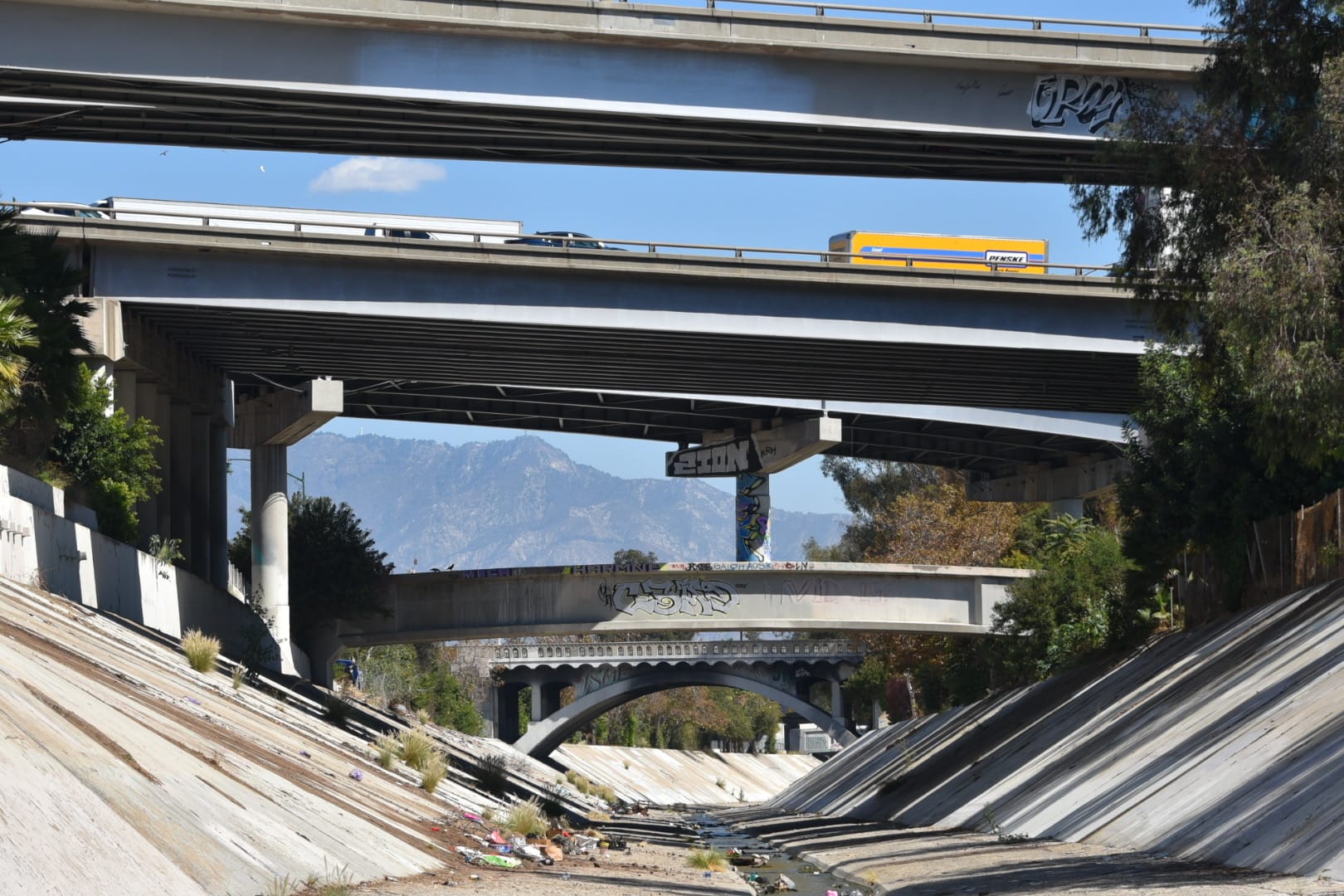
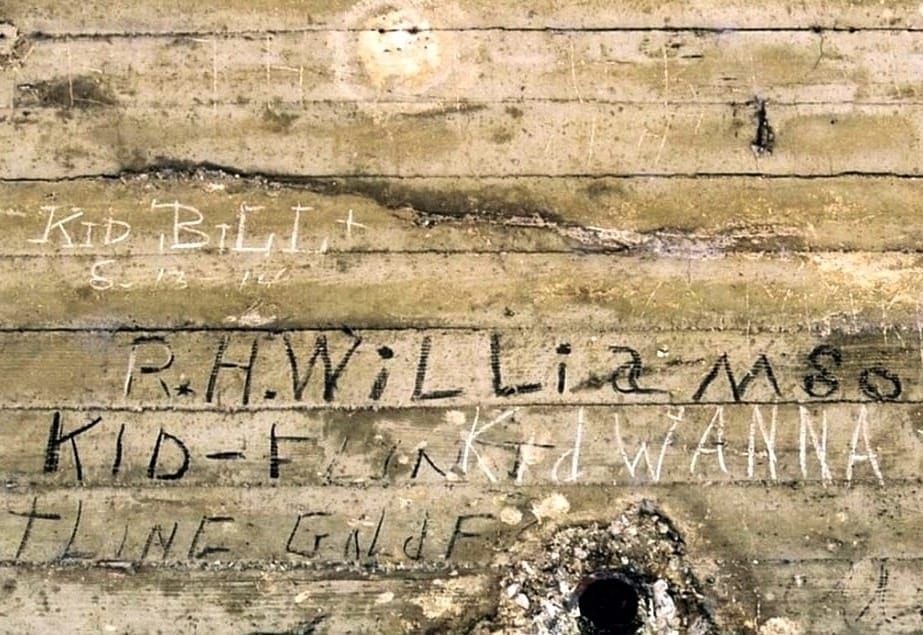
In 2000, the anthropologist Susan A. Phillips was standing under a bridge near the confluence of the Arroyo Seco and the Los Angeles River when she realized she was looking up at hobo graffiti from 1914. There it was: “KID BILL 8-13-14.” The San Fernando Road Bridge had been built in 1913, and later improvements to the Arroyo Seco would result in 90-degree concrete walls keeping the bridge's underside out of reach.
“This infrastructural fluke would preserve these delicate chalk, rock and charcoal writings for over one hundred years,” Phillips wrote in The City Beneath. “Except for the wall under the San Fernando Road Bridge, I have not seen any hobo graffiti from this period in Los Angeles. Most hobos of this era wrote on bridges that no longer exist, or later writing subsumed their marks.”
 Keith Plocek
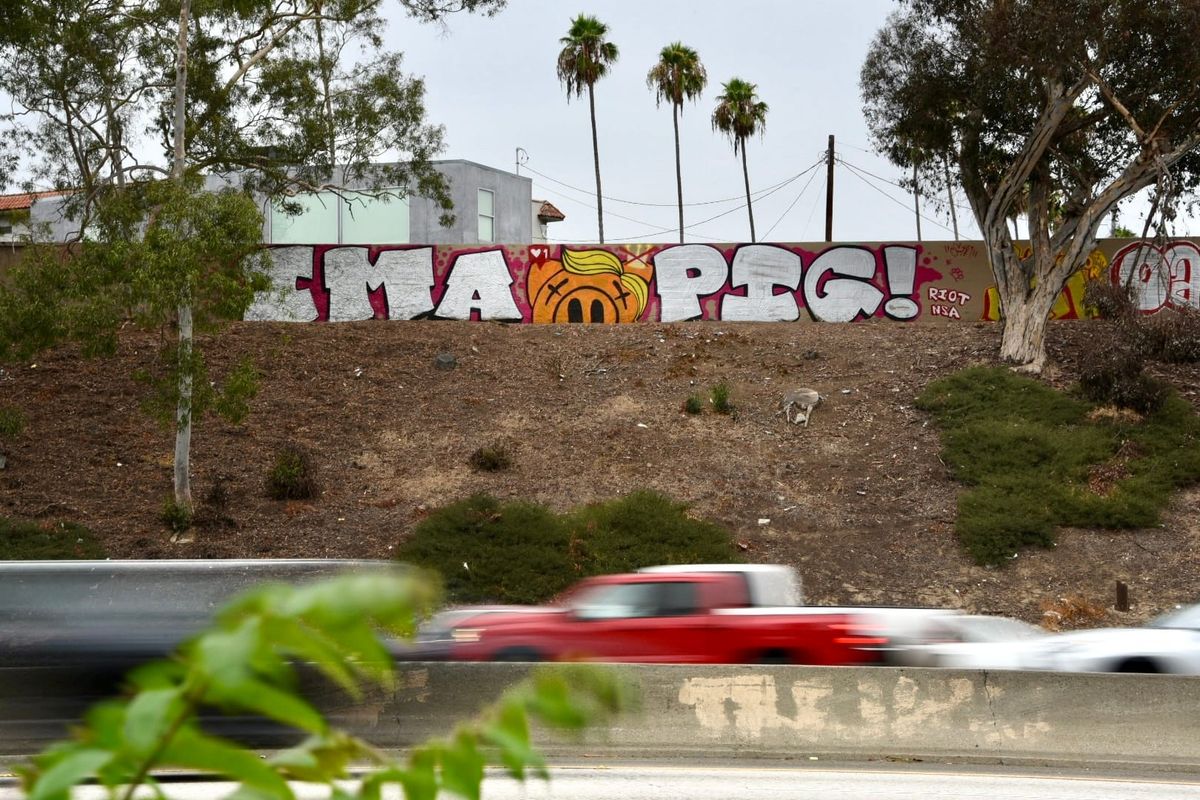
Kid Bill wasn’t the only itinerant whose name survived under that bridge. Along with the many Kids on the wall, there was also A-No. 1, the moniker of Leon Ray Livingston, the author of a dozen books about life on the road. Livingston was the most famous hobo of the era, with Lee Marvin later playing him in the movie Emperor of the North Pole. Livingston wrote his moniker everywhere, a compulsion that landed him in jail for five months after he tagged a courthouse.
Kid Bill and A-No. 1’s marks were still on the San Fernando Road Bridge in 2016, when several news outlets reported on Phillips’ discovery, and they were still there in 2023, when Tom Carroll filmed a video at the confluence for the LA Times.
The marks were not there last week, when I made my way down to the river with my camera. That whole section of the bridge has been buffed, I don’t know when, and the only remnant I could find was one K, perhaps belonging to a Kid. The rest was whitewashed.
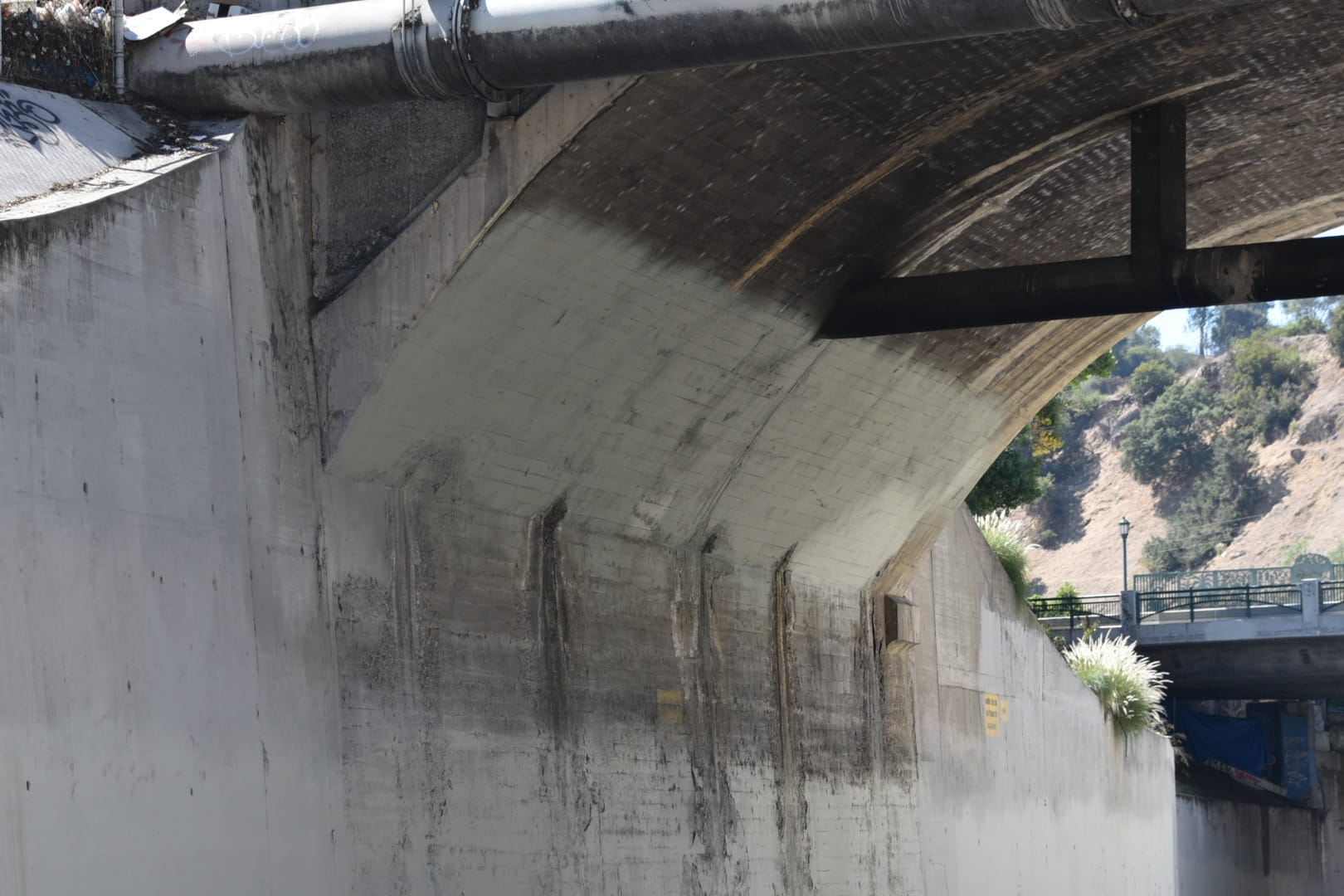
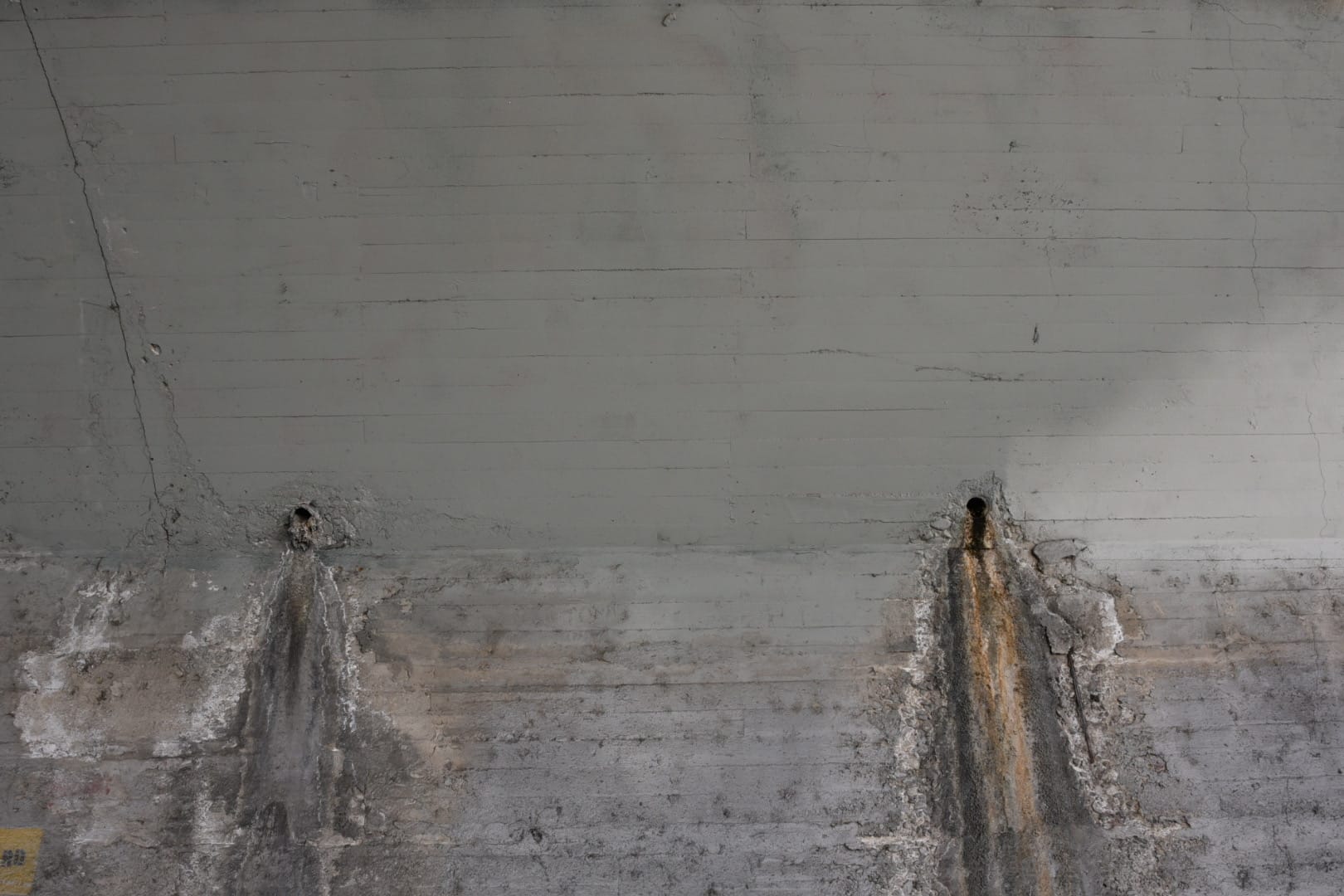
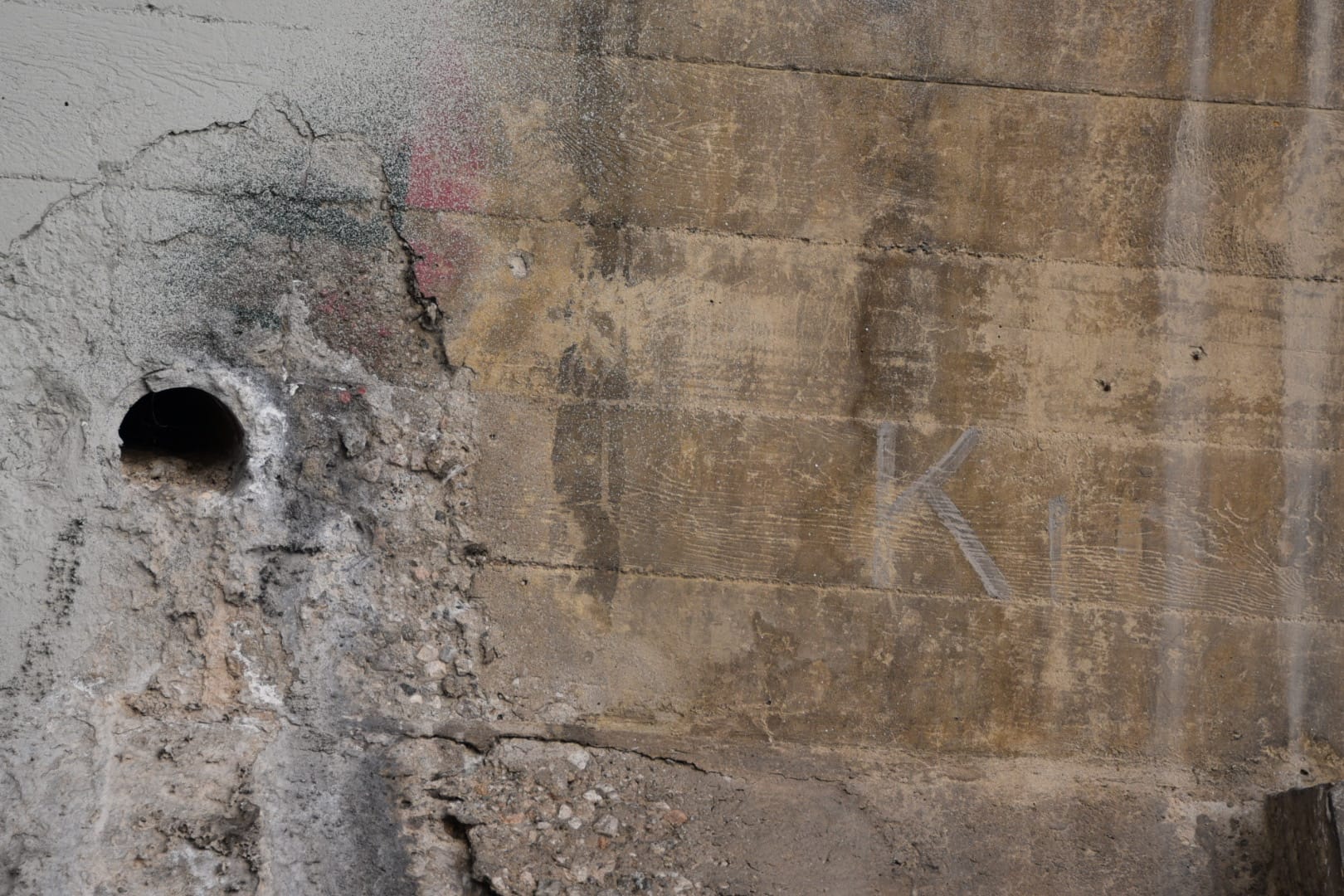
The San Fernando Road Bridge | © Keith Plocek
Most of the reporters who covered the markings over the years were careful not to give away the exact location, for fear of the spot being tagged or buffed. But it didn’t take much effort for me to figure out where to walk.
Maybe a new Kid used one of those pump sprayers to paint his name on top of the others. Maybe the tagger knew the spot’s historical significance, maybe not. Or maybe those old marks remained out of reach, and the city buffed them just because. All I know is, they're gone.
Kid Bill was here 112 years ago. He’s not here anymore.