Jejune’s Arabella Harrison: “The Songs Aren’t Ours Anymore”
The band was considered mysterious before returning to streaming in 2025

Taking time away from the spotlight isn’t uncommon for a band, as everyone needs a little break every now and then. But what is uncommon is stepping away after only 5 years as a band and then having the opportunity and demand to return to the spotlight 25 years later.
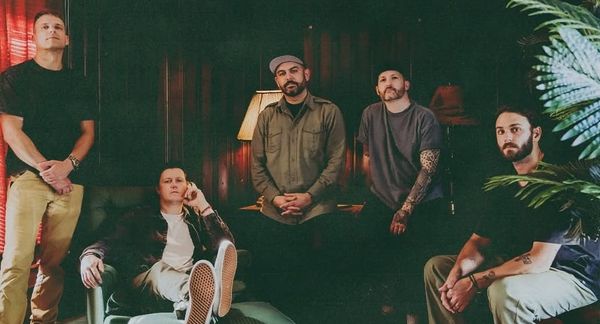
That’s exactly what happened with the Boston-based emo trailblazers Jejune.
After making a name for themselves playing with the likes of the Get Up Kids, Braid, Piebald and Jimmy Eat World in the late ’90s, Jejune split up at the start of the new millennium. With their music unavailable on streaming platforms for many years due to a defunct label and various other issues, the band was considered mysterious and “lost to time” before returning to streaming in 2025 and the stage in 2026.
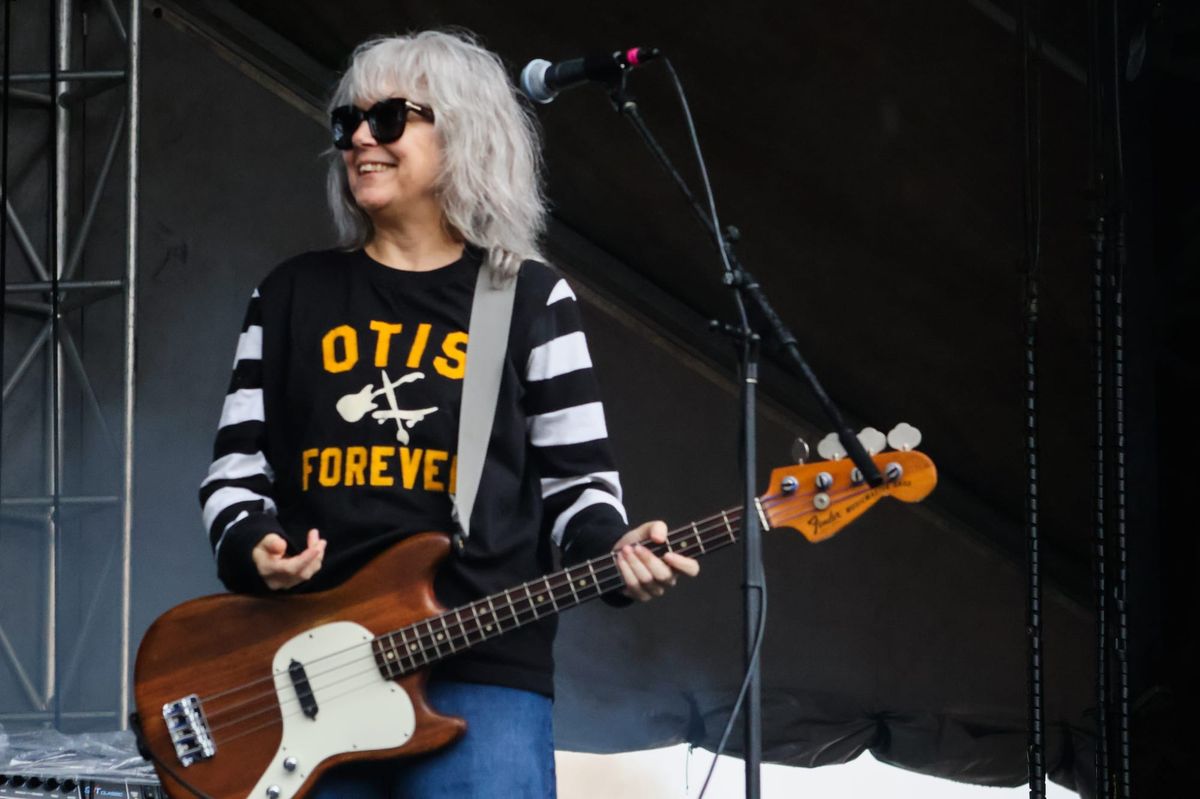
We caught up with Jejune singer Arabella Harrison backstage at Riot Fest. Our conversation below has been edited for length and clarity.
Tar: First, the obvious question. What does it feel like to be back playing shows with Jejune after a quarter-century away?
Arabella Harrison: It’s been pretty surreal, not because it’s been so long since we’ve been doing this but because the people that are coming to our shows are the same age as they were when they were first coming to our shows. The surrealness of looking out and seeing a crowd of teenagers and people in their early 20s is just mind-boggling. Everything old is new again, and the ‘90s are having their moment — as is emo music in general — so it's just been crazy.
How different is it to be back playing the same songs you were doing decades ago, but in seemingly an entirely new world and music industry?
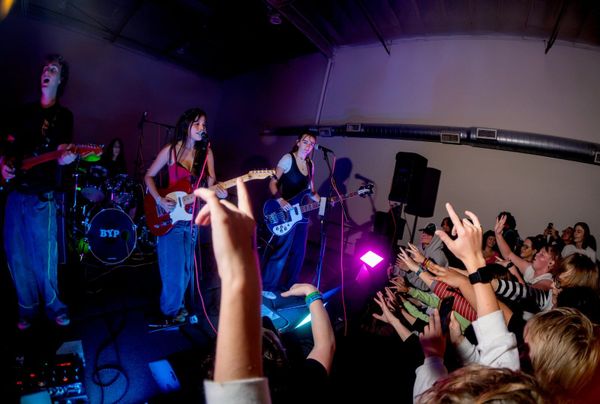
It's been crazy. We don't have to look at Rand McNally maps to find out where we need to go anymore. We don't need to use dialers on payphones anymore. The technology element has definitely made things a lot smoother and easier. Our scene in particular, it's been really amazing to see how much more energetic the crowds are. I don't think we saw this much stage diving and mosh pits and stuff to our music back in the day. That's definitely been new in a fantastic way. It's great to see that much energy. I don't have it anymore, but I'm glad they do.
A lot of bands believe that in the age of streaming, you never really go away as a band, because you pick up new fans every year through streaming even if you’re not still playing shows. Have you noticed that compared to the first time around?
I think a lot of it is because our music wasn't available for a really long time on streaming, so there was a little bit of a mystique that built up about our band and our music. You could find some stuff on YouTube, but that was about it. It's been amazing to suddenly have our music available on streaming and just watch it spread in terms of interest and listens and what have you.
How did it feel when you first decided to come back?
Well, when we first decided to come back, it was not a difficult decision at all, because it was to do a Japan tour. We had not played a note together since like ‘99 or 2000, but when the promoter calls and says “Do you want to tour Japan?” you say yes. It was really easy to make that decision and then schedule a whole lot of practices. Strangely enough, the first time we got together to play music again, it came back so quickly that it was really weird. I couldn’t believe I remembered how to play those songs. I didn't have to look at a cheat sheet or anything. It was just like “BAM!” there it was.
How different are music festivals now compared to the band’s first time around in the ‘90s?
It's interesting that festivals are very different now, and I think that's an indication of the way people consume music now. The fact that it's difficult to go see one band because either it's cost-prohibitive or they don't play near you because it's cost-prohibitive for them, so these festivals have turned into the bang-for-your-buck kind of situations. On one hand, it’s amazing because bands like us get to play for people who might not have seen us before or we haven't been to their town. But it's also kind of sad because you miss out on going to the smaller shows and being able to see bands in that more intimate space.
Do Jejune songs still feel the same and carry the same meaning for you as they did 25 or 30 years ago?
We were actually just talking about this the other day. When we wrote the songs, it was in response to experiences that we had, so that hasn't changed in that they're still about that experience. The thing that's changed is that the songs really aren't ours and about our experiences anymore. Looking out into a crowd of teenagers singing along with these songs — these people who weren't alive when we wrote them — and realizing that these songs and their lyrics and stories are now about them and their lives. They've taken them as their own, and they've become the soundtrack to their experiences.