The Format: Back on the Road After So Many Years
Sam Means and Nate Ruess have headlined sold-out shows around the US

For a specific age of people (those born in the late ‘80s to early ‘90s) living in a specific place (the general area around Phoenix, Arizona), the Format are a crucially important indie rock band that largely never got enough credit during their original run in the mid-2000s.
But that’s all changed in many ways, as the band’s reunion after 17 years away has allowed them to hit more impressive stages for bigger audiences than they ever did the first time around.
Following their comeback show at a sold-out arena in their hometown and the release of their third album, Boycott Heaven (almost exactly 20 years after their sophomore effort, Dog Problems), Sam Means, Nate Ruess and their trusty backing band have headlined sold-out shows around the US, including Hollywood Forever last October, and hit festivals ranging from Orange County’s Ohana Festival to Chicago’s Riot Fest.
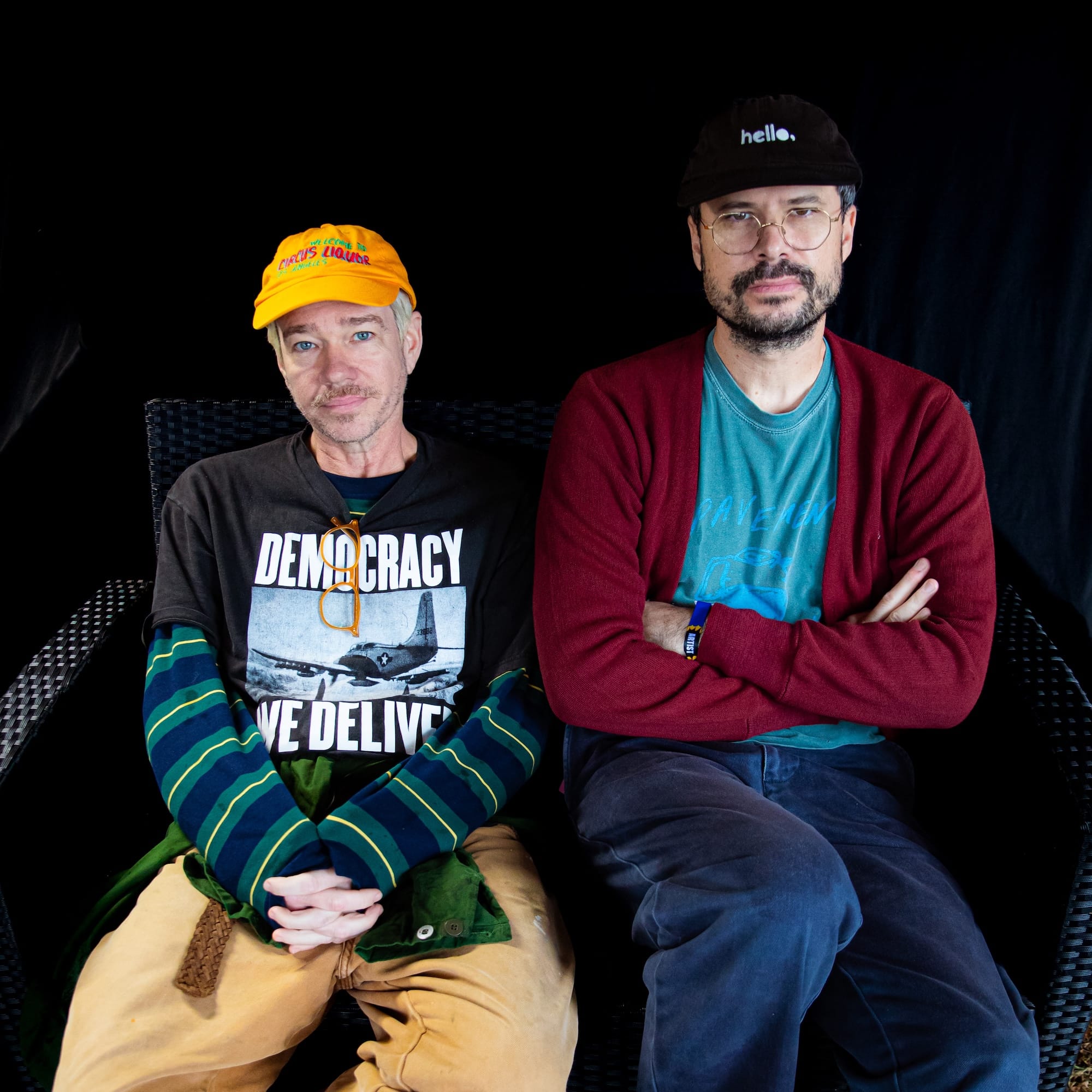
Ahead of their Hollywood Bowl debut with Jimmy Eat World this Saturday, November 7, we caught up with Means and Ruess to chat about their reunion, their latest album and what nearly two decades off does to a band. Our conversation below has been edited for length and clarity.
Tar: What's it like to be back on the road after so many years away?
Sam Means: I'm thoroughly enjoying being back on the road. I love it. We have kids, but my kid is almost 17, so it's really easy for me. She’s in her last year of school and able to travel around with us, so it's been awesome for me. It's just cool spending time with everybody again and getting back on a bus again after like 20 years. It's rad.
Nate Ruess: I'm excited about it when I'm at home and want to get away from my family, but then I get on the road and I'm always on the verge of losing my voice. I'm always on the verge of having a nervous breakdown, but I love to see my friends. That's about it. It's good enough.
Was there anything about the comeback that surprised you or that you were just not expecting after so long away?
Ruess: I think the crowd knowing all the words to the new stuff has been pretty shocking. Format crowds have always been sing-along crowds, so as soon as we dropped new stuff, we'd play it and suddenly it's like “Whoa, how did these people know the words?” Even when we were playing shows during the first few days after the album was released, I was shocked at how many people knew the words.
Means: Just the fact that everybody stuck around after 20 years — and not only stuck around, but brought their families with them, so the crowd grew exponentially over 20 years. It also could have gone exactly the opposite way, so we've just been really fortunate that everyone's still here and hanging out with us.
With streaming services these days, it feels like bands never really go away. Was there ever a moment during the time off where you said, “The Format might still be working” or “There's still a desire for The Format here”?
Ruess: I'm pretty out of sight, out of mind, so I just forgot all of it existed, but Sam was just telling me that in 2016, we sold a whole bunch of reissues of stuff.
Means: Yeah, I actually just found out that in 2016 or 2017, we had the #1 vinyl record on Billboard, and we didn't even know. When Boycott Heaven was coming out, someone gave me access to their Billboard account so I could see that we weren't doing anything. But when I looked it up, I was like, “Holy shit, we had the #1 and #2 record in 2017.” It's funny.
What was it like to make new music and go into the studio together for basically the first time as adults?
Ruess: I think it was the best time I've ever had making an album, by far. We were pretty well-prepared, and then we happened to have who I consider to be my favorite producer of all time, Brendan O'Brien, who also just wants to get things done. But even so, I think Sam and I know how to keep it light. It was just so refreshing. It made me feel like I'd missed out on things by being retired for a while, because I got so tired of going to the studio and doing all that type of stuff. But if you find the right people or the right producer, it can be like heaven.
Means: I was nervous about it just because I was the furthest one away from it. Nate went on and had an incredible career. I still did some stuff, but definitely not in any kind of capacity where I was mentally prepared to go into that situation. But day one, all that just went away. It was awesome. It felt comfortable. We had such a tight little crew. It was really only four or five of us at any given time in this room, and it just was really fun.
We had Matt Chamberlain playing drums, which also was sort of nerve-wracking because he's just a legend. But literally within five minutes, we were in a room just starting. We jumped into the fire. He was just the coolest guy. Everyone was welcoming and warm, and it was great.
Ruess: It was funny because I had been in the studio and had recorded things very hi-fi, and I remember we finished the first take of the first song that we were working on. We walked in and did playback, and Sam's like, “Are we done?”
Means: It sounded so good! What happened?
Ruess: I think the drums actually were used from the first take of that.
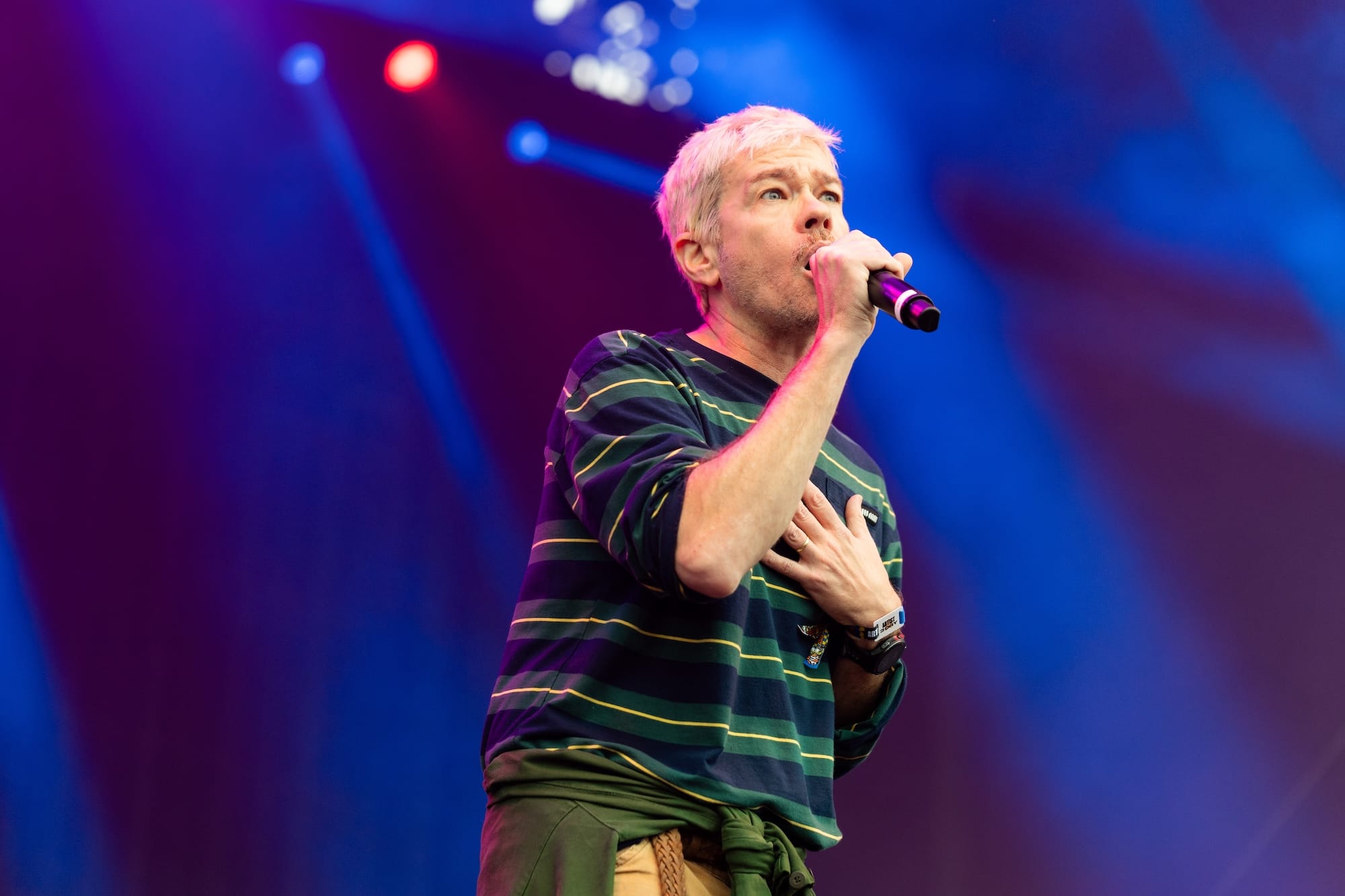
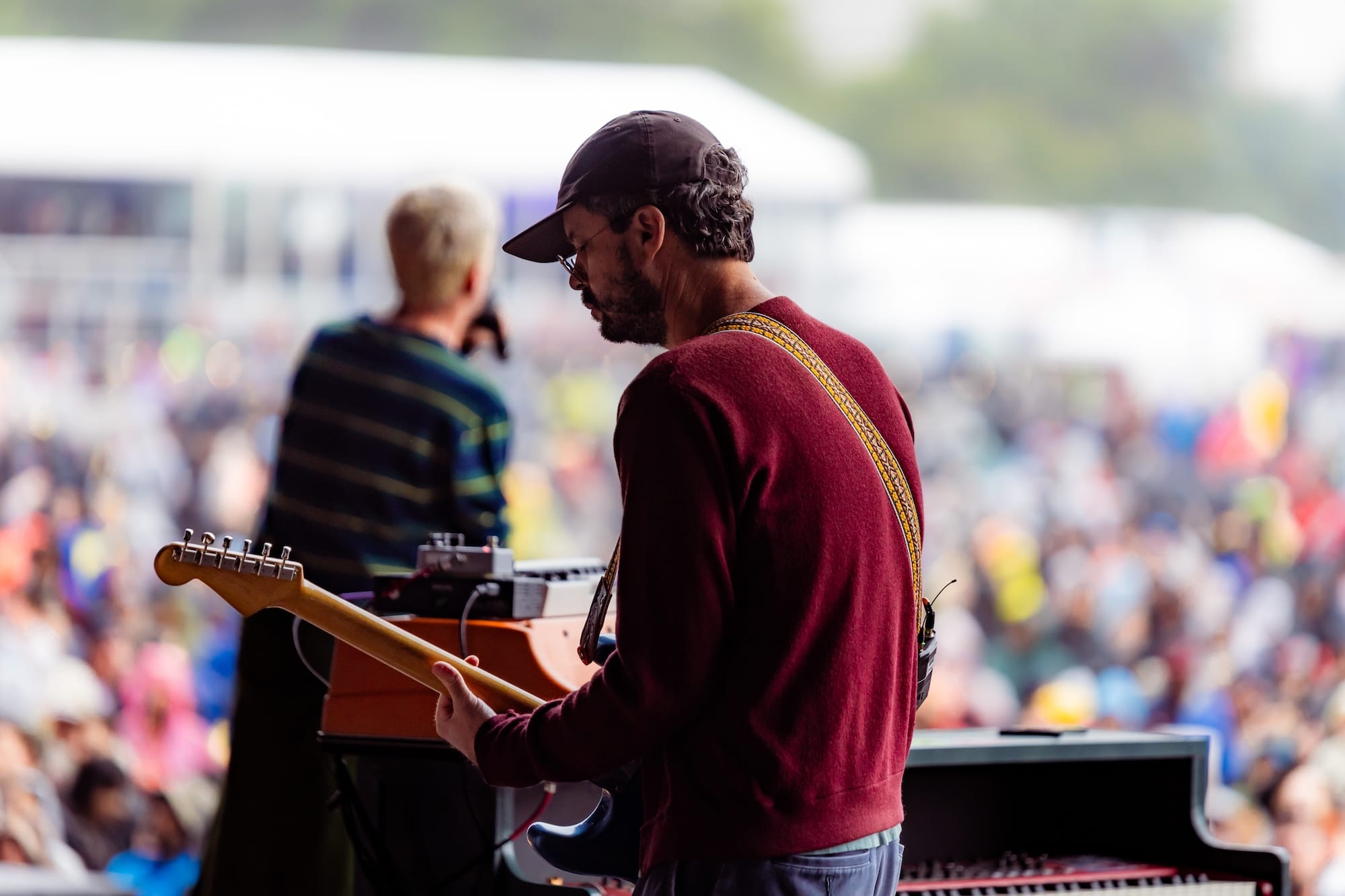
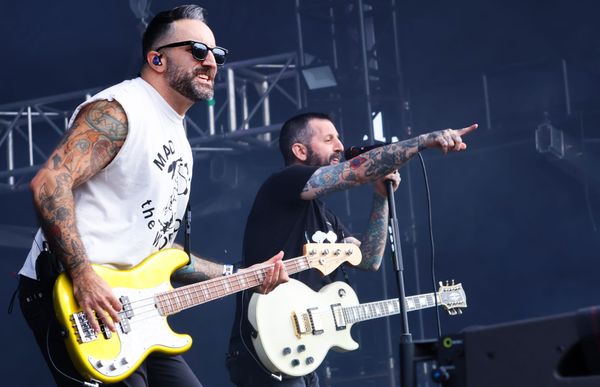
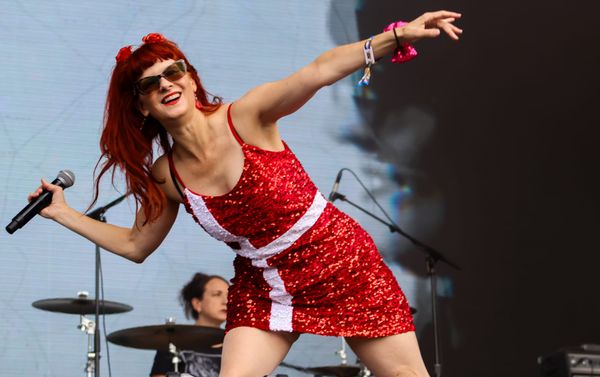
The Format at Riot Fest 2026 | © Rachel Zyzda
What was the moment when you decided that you wanted to do The Format again?
Ruess: Well, I approached Sam about it. I had been pretty isolated for like 5 to 6 years. I had just moved to Santa Barbara, didn't really know anybody, and was just having a great time being a parent. I had just started learning how to play guitar, and I started feeling like I wanted to make music again. But I wanted to do it with my friends and the people that I have a great time with, and share that sense of humor that we had. Our senses of humor haven't changed, and our ethos have only gotten stronger — and that made me feel like, “OK, this would be the right time to come back.”
Means: It was awesome. I had put it out there years before that I was down at any time to do more stuff whenever he was ready. When we started, I didn't even really know 100% what we were even going in to record exactly. It was like, “This could be a Format record, or it could just be our record.” I didn't really know, but I was just like, “Whatever, I'm in. Let's do it.” It evolved very organically and felt natural the whole time.
What was it like to balance the old Format elements and song structures, in this new world where it's not necessarily as sunshine and roses as it was before?
Ruess: It's hard. It's been the biggest challenge playing live, because I've also just gotten so much more emotional in my old age. I'll be thrown off by some of the lyrics or something that's happening that day — any of the political type of things — and then next thing you know, I'm going to prance around. As a 44-year-old dude, I'm having a tough time coming to terms with that, but the fans are what make it pop. As long as they're willing to listen to us talk about the things we believe in — and our fans are just truly the best — I'm indebted and I’ve got to fucking shake that thing a little bit.
Means: Just to pat this guy on the back a little bit, I’m not naming any names, but some people could come back and just go for the nostalgia play and try to do the thing that we think everybody wants to hear. We could have brought back all the horns and strings and tried to do Dog Problems Part Two or whatever. But I think we've definitely found a good blend doing “the thing,” but also bringing in the maturity and things that are important to us as adults, because we are 20 years older. We’ve learned so much more. That's the other thing that made it cool for me — being right there with him like, “Whatever the statement means to you, I can assure you, it means the same to me.” We're really on the same page there.
Ruess: One of the reasons why I got out of music 10 years ago was that I had nothing else to say. Every song I'd write was about being lovelorn, and then I found somebody. There's only so many times even I can say “I love you” in a song. But then I had kids, and suddenly you see that there's so much more in the world than your heart breaking from a relationship. That’s something that was a catalyst in wanting to fire this back up.

All photos by Rachel Zyzda