The Iron Roses: “We’re Going to Do This Whether You Like It or Not”
Musical resistance can take all forms

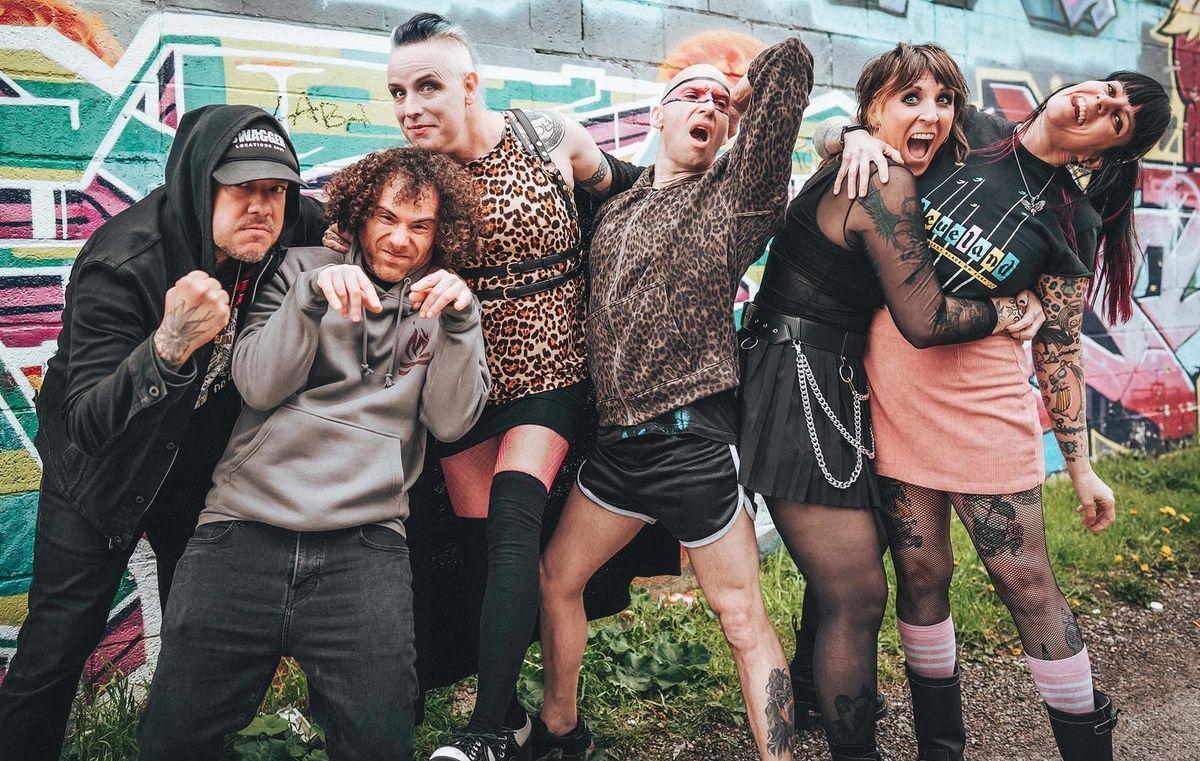
Four years into their tenure, the Iron Roses might not (yet) be one of the biggest punk bands in the world, but that doesn’t mean they’re not among the most important.
In the face of all of today’s social injustices and authoritarian government leanings, Natasha Gray, Becky Fontaine and the rest of the band are proving that musical resistance can take all forms. Their sound of rebellion can be energetic even if it’s not as youthful as it was in their previous projects, and the messaging of staying true to yourself and standing up to oppression works for any age, gender or background.
And with their sophomore album, Molotov Nights, out this past August as the most polished and refined the band has ever sounded, it’s no surprise that they continue to take steps forward in popularity and relevance with each passing tour date and festival appearance.
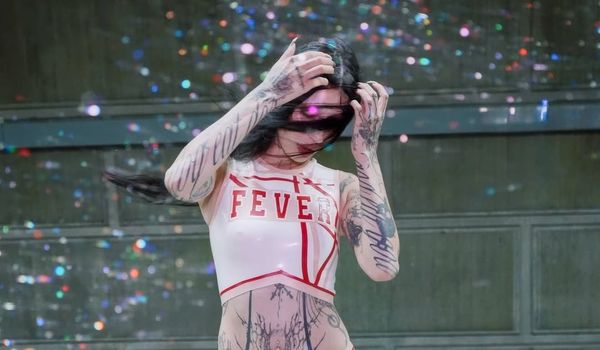
We caught up with the two Iron Roses vocalists backstage at Riot Fest. Our conversation below has been edited for length and clarity.
Tar: Given the current political climate and everything going on, what has it meant to keep your outspoken brand of punk rock going on your second album?
Natasha Gray: It's super important now, especially as a band that has a good portion of us being marginalized people — trans and cis women, and all kinds of people within it. It becomes less about speaking out and more about surviving and saying “You don't get to take me down.” It hits different in a lot of ways.
Becky Fontaine: We talked about this on the first album, and at that time it was like “Here's all the stuff that sucks.” Now, we're like “Here's the stuff that sucks, but also here's what we all have the power to do together to combat that.” Even if it's just going to a fucking show and holding hands with somebody you've never met before that lives in your zip code that you can organize with. How easy is that?
What was it like to go back into the studio and work on the second album, seeing as people had certain expectations after the first one?
Gray: It was weird, because ever since that first album came out, we were trying to figure out what this album means. What is our sound? Who are we now? Writing into this next album, Molotov Nights, we found that we might not be the same as that first album. What was cool was bringing more of an aggressive feel to it and being a little bit more honest and natural with the music. The first album was like “How do we be different? How do we do something new and creative?” Then the second album was more like “OK, we figured that out. What can we get rid of? What can we keep? What can we build from there?”
Fontaine: We also didn't say no to any ideas as long as it could make us either scream or cry, and it had to work in context with the other songs. So if we wanted to try a fucking straight hardcore song, it was like “Let's do it.” Or if we wanted to try a song that seems like it should be in a Broadway play. Let's do that if it makes sense together — and that was freeing. It was like, “How do we say what we need to say in a way that's just honest to us?”
How different is it now that the band has hit its stride and isn’t a super new thing anymore?
Gray: It's great, because it's not so scary. Starting a new band is always scary. Even now, we're fighting and struggling to step up, but it doesn't feel as terrifying and unnatural. It's more like we figured it out, all the pieces are fitting together, now let's move forward from here and see what happens.
Fontaine: It's also nice to have played enough to where we're not fighting to show people what we're not anymore. We’re not a Nat Gray solo project. We're not a band that has somebody who used to be in another band. We are the Iron Roses. We have our own thing that we’re putting into the world. So having that pressure off is nice.
How does it feel to see the band grow from almost nothing during the pandemic to now be playing festivals like Riot Fest?
Gray: It feels good. It's a combination of feeling at times like “How did we get here?” but then sometimes going “Wait, we fought really hard for this.” Maybe we didn’t do everything right, but we did everything with purpose, and that's why we're here. It feels good to know that we are here not because somebody thought we were trendy or we were something cool to pick up at the moment, but because we put a lot of hard work into it. We were honest with ourselves and with the people that were listening to our music. Now, it’s just started to take off.
Fontaine: It's very cool to be seeing that progress, because Nat’s in her 50s and I'm almost 50. So to start over and see things happening as women over a certain age, it’s like “Fuck it, nothing else matters.” We are going to do this whether you like it or not, and it seems to be working.
What’s it like to play a festival like Riot Fest with bands where you're literally old enough to be their parents?
Fontaine: It's cool, because it's nice to see the development of the scene and the things that stay within the scene. But it's also nice to know that I'm going to bed at a reasonable hour and getting a good amount of water and I don't have to party because I think that's part of it. Not that every young band does that, but it is nice to have been there, done that enough that now we can just sleep when we need to.
Gray: It's also cool to be challenged by new music like this. I don't get what's happening right now [as Angine de Poitrine plays in the background], but it’s cool. I don't ever want to be my parents going, “Oh, this new music sucks.” If I don't get it, I don't get it, but I'm going to try. I'm going to be like, “OK, what is it about this that maybe I don't love or what are some parts I do love?”
With so many people at events like Riot Fest potentially hearing you for the first time, is there anything you'd want new people to know about the Iron Roses?
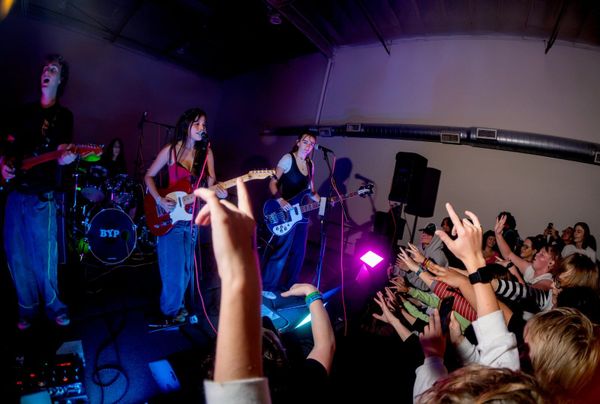
Fontaine: What I want people to know is that we want people to come see us, but we don't want people to come see an Iron Roses show and just feel like they've been sung at. We want you to come and have an experience with your community. We want you to be immersed in a room with people who live in your own town who you can organize with. We have a little bit of something for almost everyone — unless you wear red hats, then probably not.
Gray: Other than that, we have something for you! At local Iron Roses shows, these are the people that are going to bring you soup when you're sick. These are the people that you need to connect with, because that's how this revolution that we're talking about starts. It always starts in these small moments where you pay attention to your neighbors and the people around you. You help others, and you build that community with or without us. We've already seen that happen. We've seen people become gym buddies or help fund each other's gender-affirming care. That’s the reward right there for all of this.